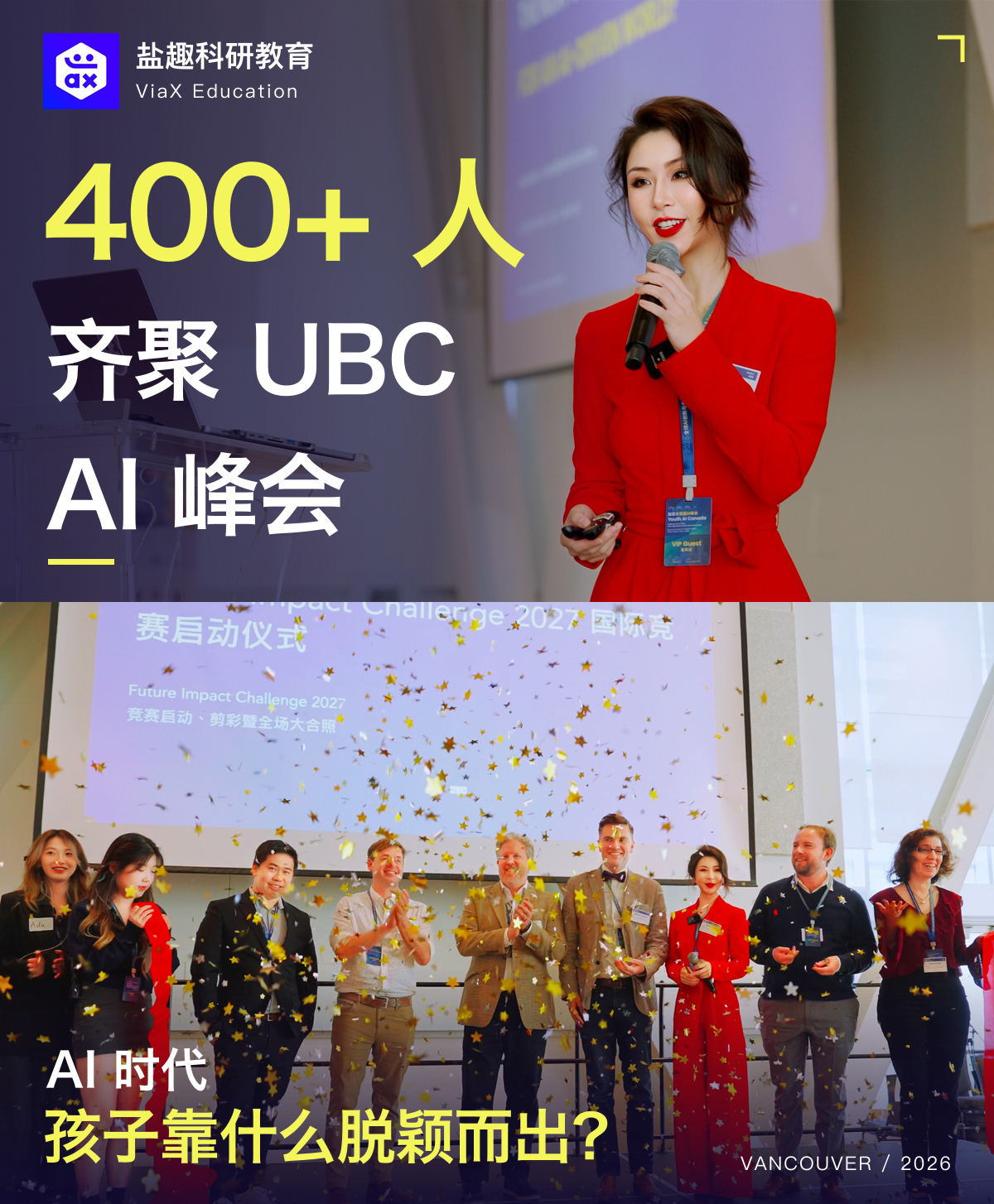
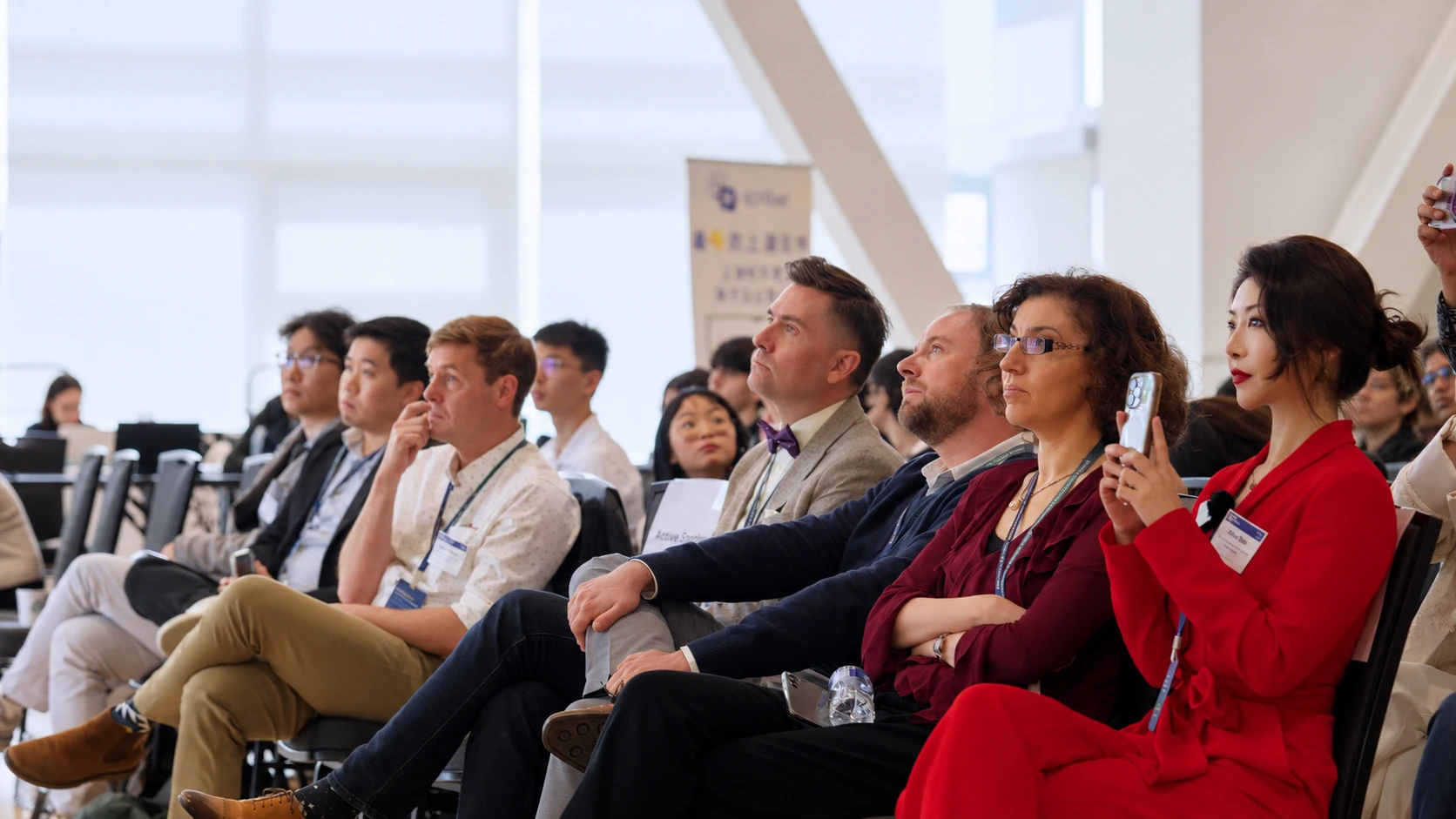
More than 400 students, parents, scientists, educators and industry leaders gathered at UBC. Some were still deciding what to study. Others were advancing our understanding of living cells, developing intelligent machines and guiding global technology businesses.
On October 18, 2026, they met at the Global AI Innovation & Future Leaders Summit to discuss how AI is changing education, research and work.
The question was not simply how AI would change their future. It was how they could help shape it.
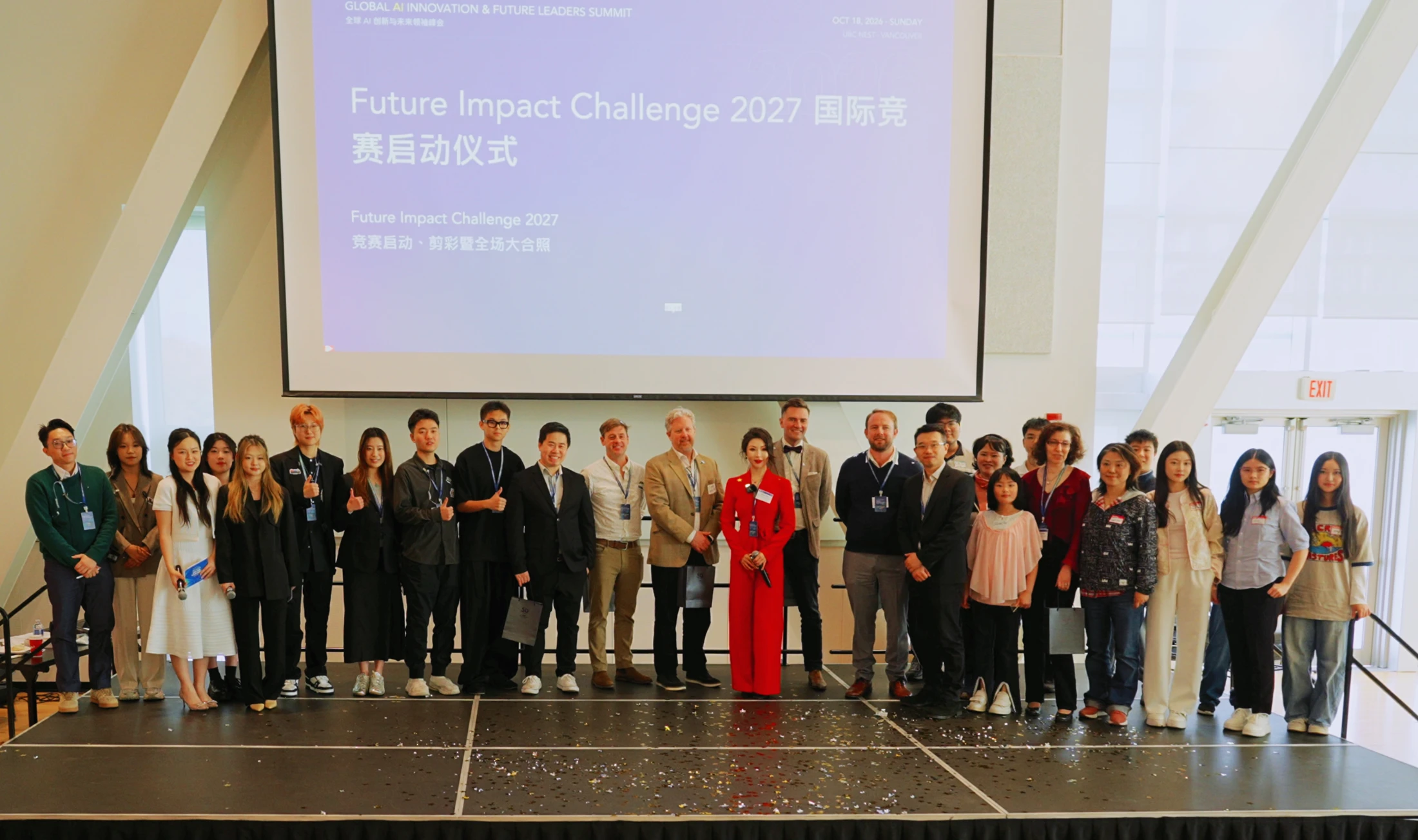
Organized by ViaX Research Education in collaboration with UBC CSSA and CheersU, the summit marked two beginnings: the launch of the ViaX Canada Youth AI Community and Future Impact Challenge 2027, a global research and AI innovation competition for young people.
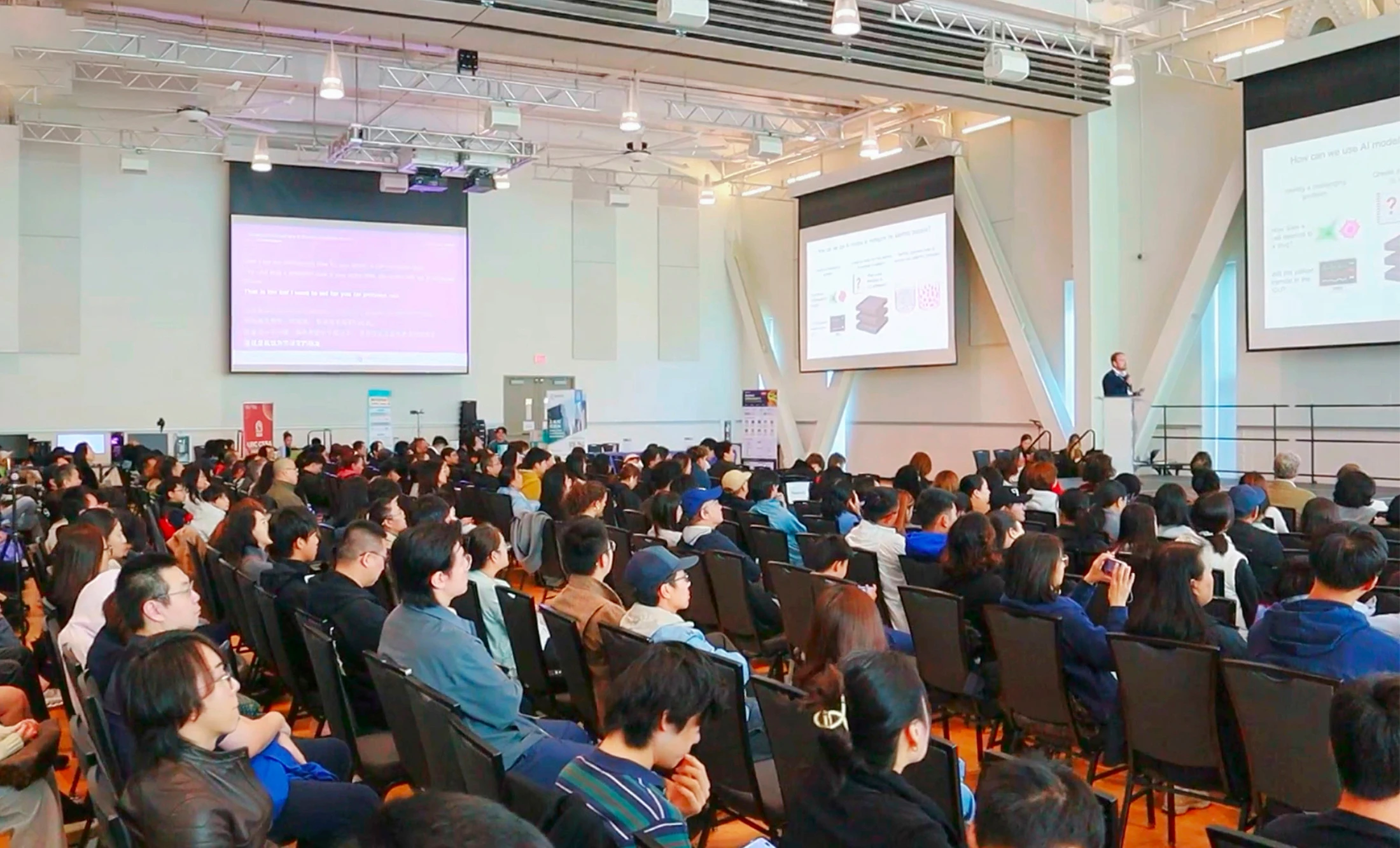
Speakers included researchers with academic backgrounds at MIT and Princeton and business leaders with experience at CGI, Microsoft, Amazon and Uber. Their talks explored questions ranging from how proteins behave inside a cell to what employers value when AI tools are available to everyone.
01Education should open a window onto the world
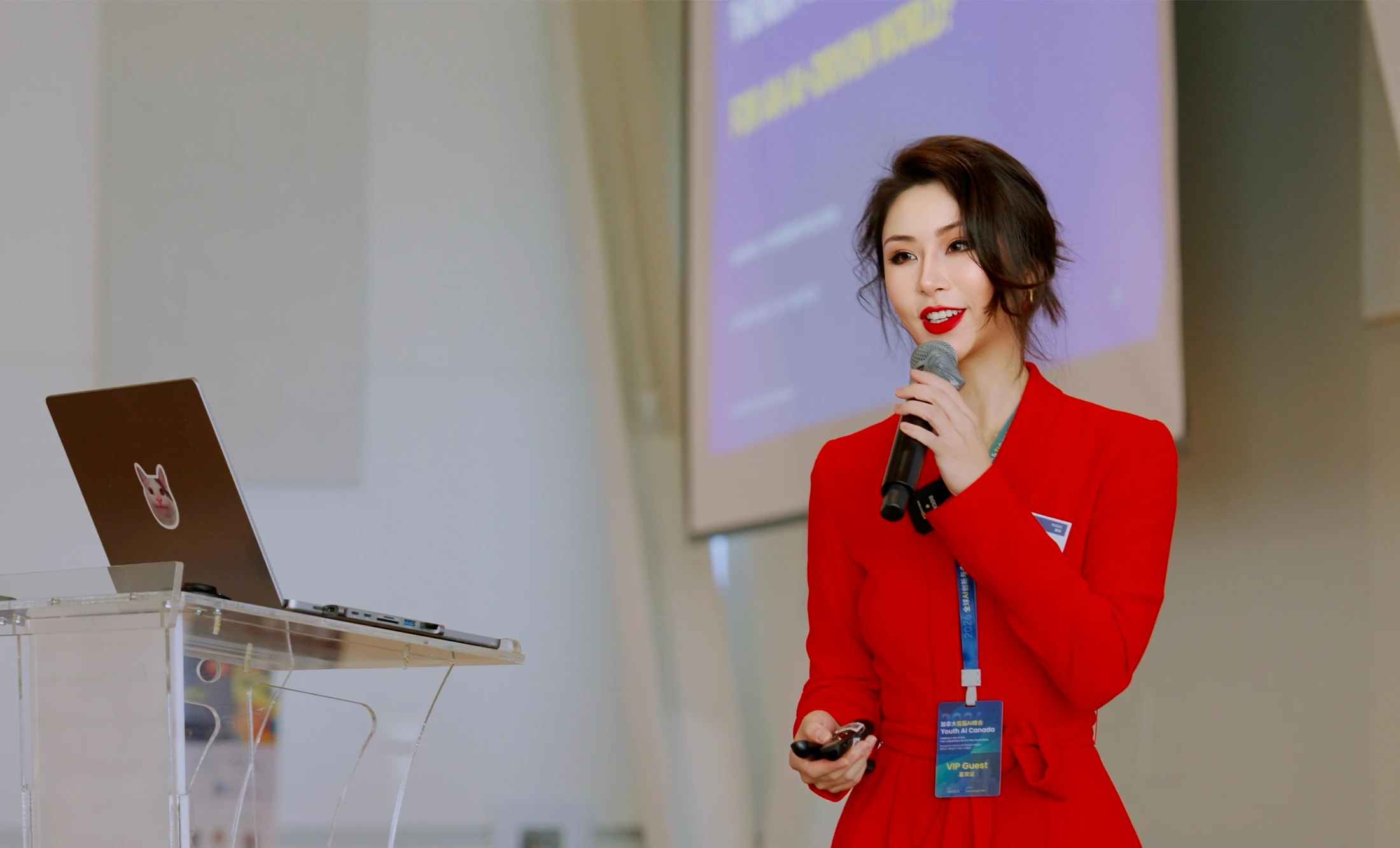
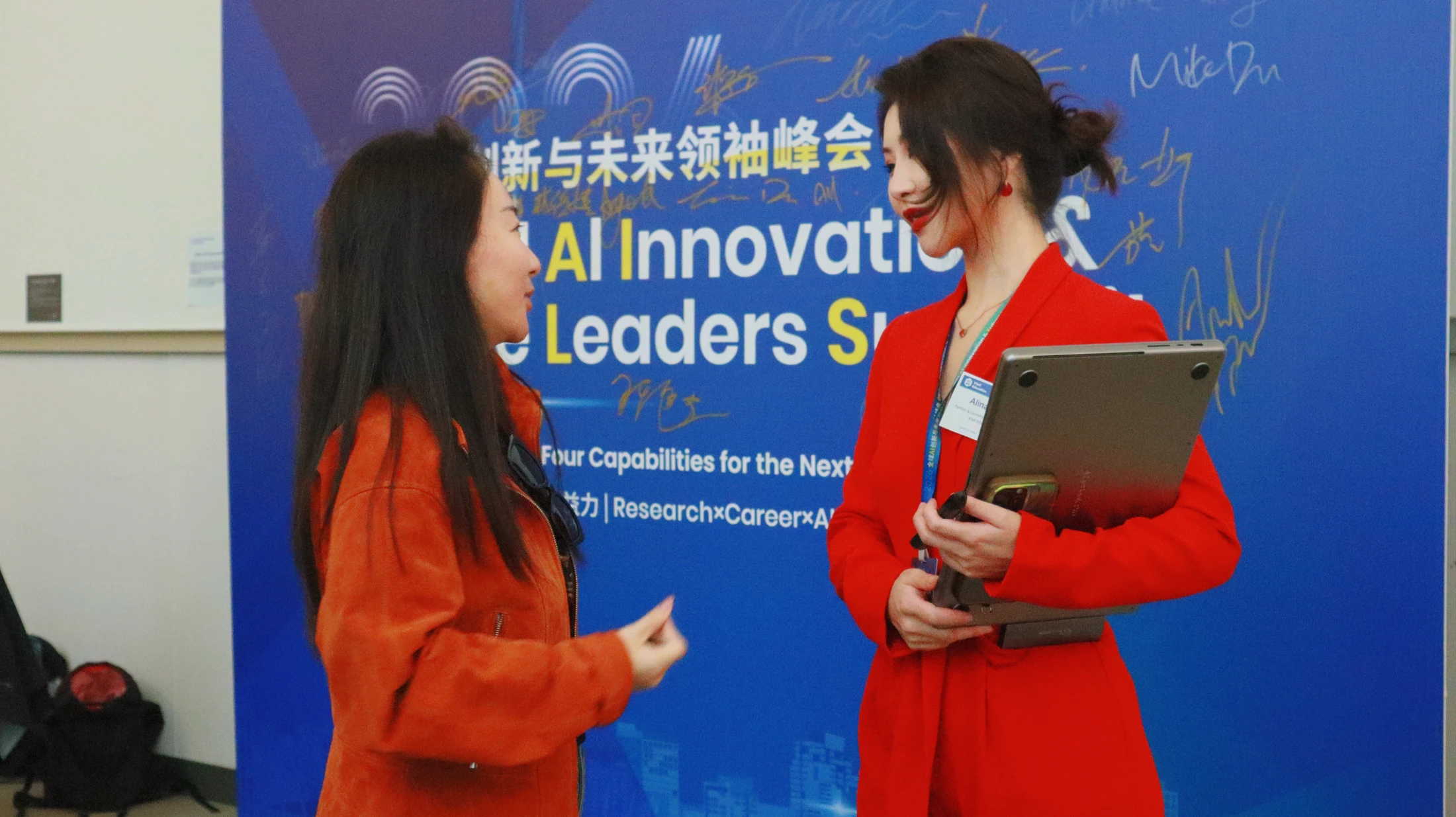
In her opening address, Alina Wan, ViaX’s Future Talent Institute Director, Partner & Canada Lead, reflected on what made this gathering unusual: education often separates people by age, subject and stage of life. Here, a fifteen-year-old could join the same conversation as a university student, a parent and an experienced industry leader.
AI had given them a reason to be there. If a machine can finish the assignment, what should a student be learning? If an industry changes before graduation, what must an education provide beyond a qualification?
For students and parents, these questions also shape a more immediate decision: how to prepare for university and make the most of the opportunities it brings.
Alina shared that 56% of ViaX research students receive offers from top-30 universities each year. Behind those offers are students’ sustained effort, their families’ support and their mentors’ guidance. ViaX takes pride in those achievements, and even greater pride in how students grow along the way.
Students begin to find questions they want to pursue for themselves. They learn to support an argument with evidence and keep working when the answer is uncertain. Someone who once hesitated to offer an opinion can come to a discussion with an idea they are ready to explain and defend.
A university offer opens a door. Curiosity, independent thinking and the courage to explore help students make the most of what comes next.
Technology gives young people the ability to create. The humanities help them understand what is worth creating, and for whom.
ViaX founder Shiran Zeng argued for an education that brings technical ability and human understanding together. Students need to learn how to use AI, but also how to judge which problems deserve their attention and whom their work could help.
Research puts that judgment to work. Students test an idea, encounter uncertainty and revise their thinking when the evidence demands it.
For parents, Alina’s message offered another way to talk about learning at home: alongside grades and results, ask what a child has discovered and what they want to try next.
02The ViaX Canada Youth AI Community: research beyond the summit
The ViaX Canada Youth AI Community, launched at the summit, connects ViaX’s international research network with Canadian educators, industry mentors and community organizations. The community gives students a way to continue exploring after the summit, with access to research mentors, industry perspectives and opportunities to test their ideas in Canada.
ViaX brings 12 years in research education and a network of more than 5,500 professors and research mentors to the initiative.
In Canada, that work includes hands-on exploration in laboratories, studios and art galleries, as well as settings where robotics and embodied AI are being developed. Students can meet researchers and see how ideas are tested, including how AI systems interact with the physical world.
The community draws on ViaX’s Transformative Competency Model: Research Excellence, Career Readiness, AI Fluency and Social Impact. Academic mentors guide the research; industry mentors introduce the practical demands of putting it to use.
Alina also introduced Research for Impact, developed with the Hong Kong Research Education Innovation Centre. ViaX’s nonprofit connections include YAMA Foundation, Cambodian Children’s Fund, Habitat for Humanity, Learning Buddies Network and Social Diversity for Children. Working on problems raised by nonprofit partners also asks students to listen: who needs help, what have others already tried, and what would make a solution useful?
03From curiosity to academic depth: research begins in high school
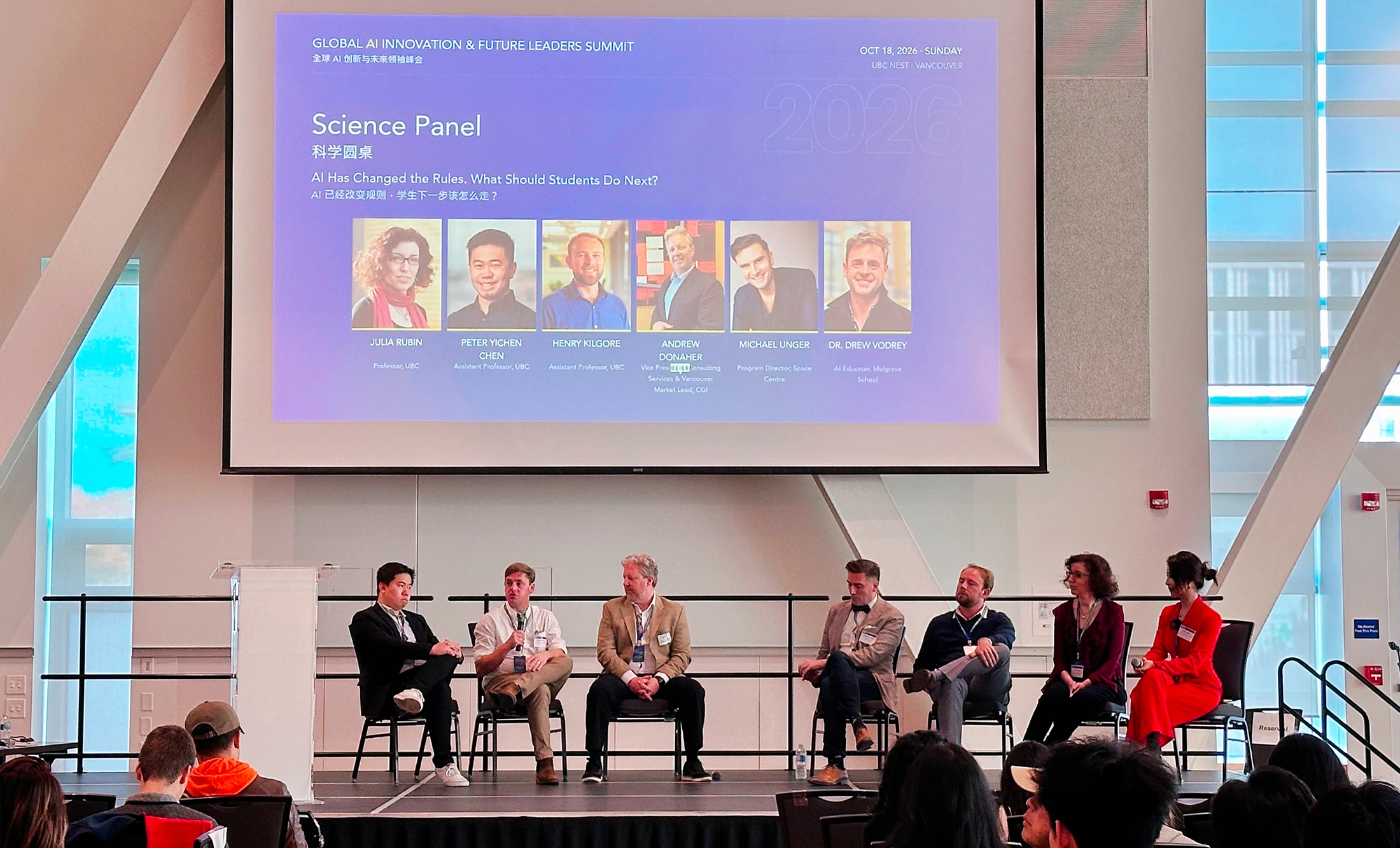
The science and education roundtable considered where students can begin: with a question they care about, a project they can test and feedback that helps them improve it.
Peter Yichen Chen, UBC assistant professor of computer science and head of the PhysAI Lab, described how AI is helping young people turn ideas into prototypes. He noted that high school students are already contributing first-author papers to leading AI conferences, and discussed the role of mentorship in supporting early research.
Julia Rubin, UBC professor and Canada Research Chair in Trustworthy Software, emphasized understanding the problem and seeking feedback. Students need to be able to explain how they reached an answer and reconsider it when challenged.
Science educator Michael Unger pointed to science fairs as a way to apply classroom skills to questions students genuinely care about. CGI vice-president Andrew Donaher stressed that building a project is only part of the work. Students also need to explain their choices and respond to questions about the results.
From ancient Persia to Stanford
Alina shared the story of a student whose interest in ancient Persian culture led him into languages, history and computing.
Working with a University of Chicago professor, the student learned three ancient languages and read approximately 2,000 pages of humanities scholarship, exploring how researchers deciphered the Behistun inscription. As the inquiry deepened, a new question emerged: could algorithms, computer vision and linguistics help interpret ancient writing and preserve the record of early civilizations?
The student published his research internationally and was admitted to Stanford University. His project connected a fascination with ancient civilizations to a technical question about how their written records might be understood and preserved.
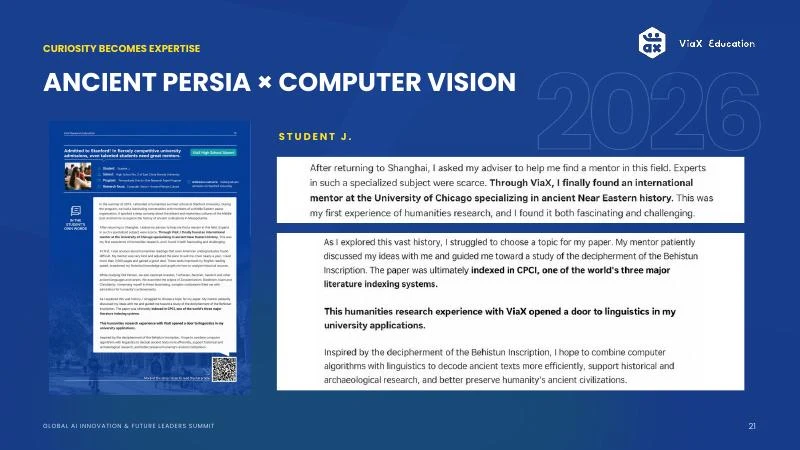
Universities including MIT and Yale provide ways for applicants to submit research supplements, giving students an opportunity to share their work in greater depth.
The story also illustrated ViaX co-founder Marshall’s view of research as a way for students to develop their own perspective. By the time he received his Stanford offer, he had already begun developing an academic direction of his own.
04In conversation with people shaping what comes next
The keynote speakers approached these questions through their own research and professional experience.
Henry Kilgore: can AI help science discover what we do not yet know?
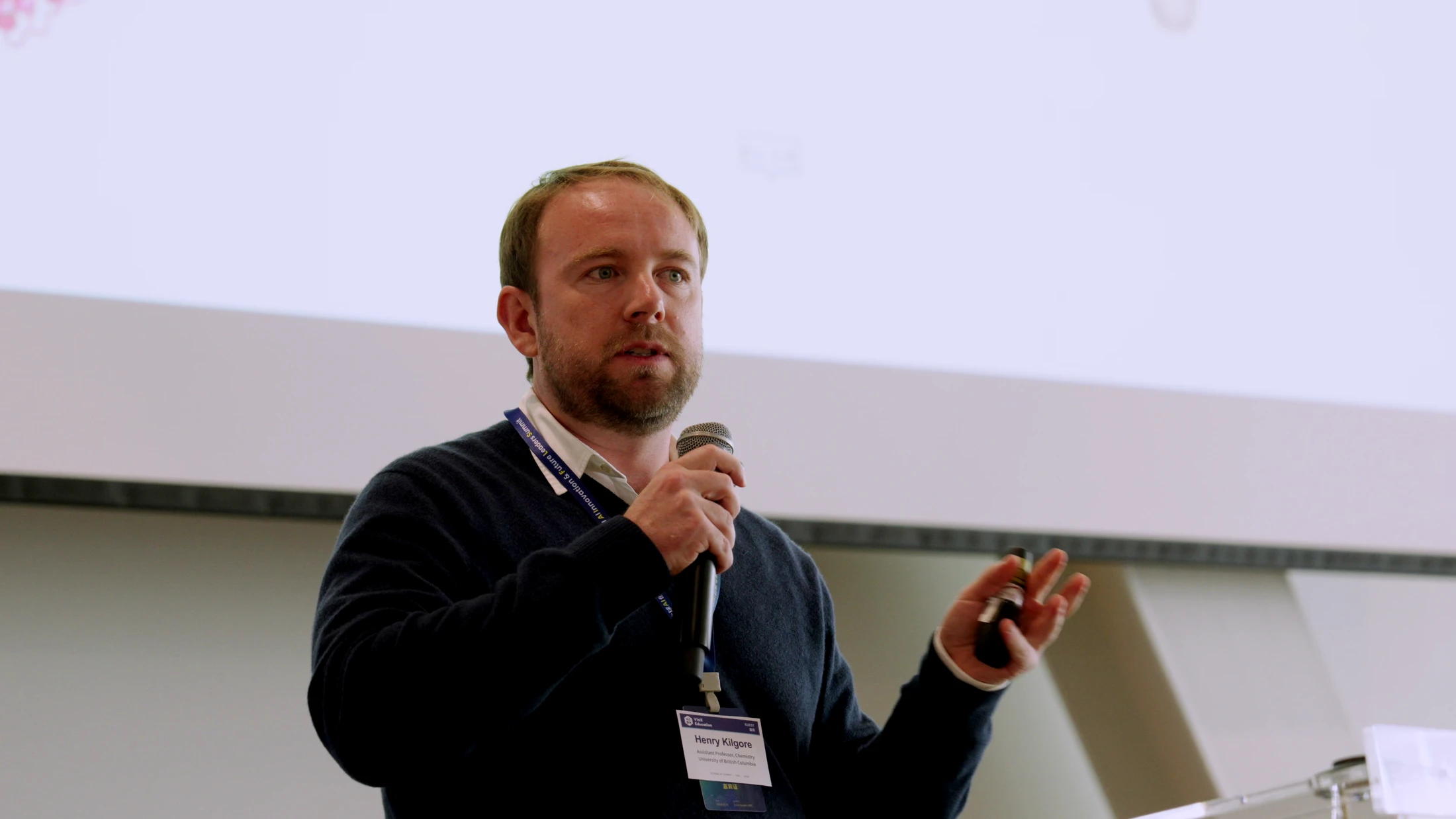
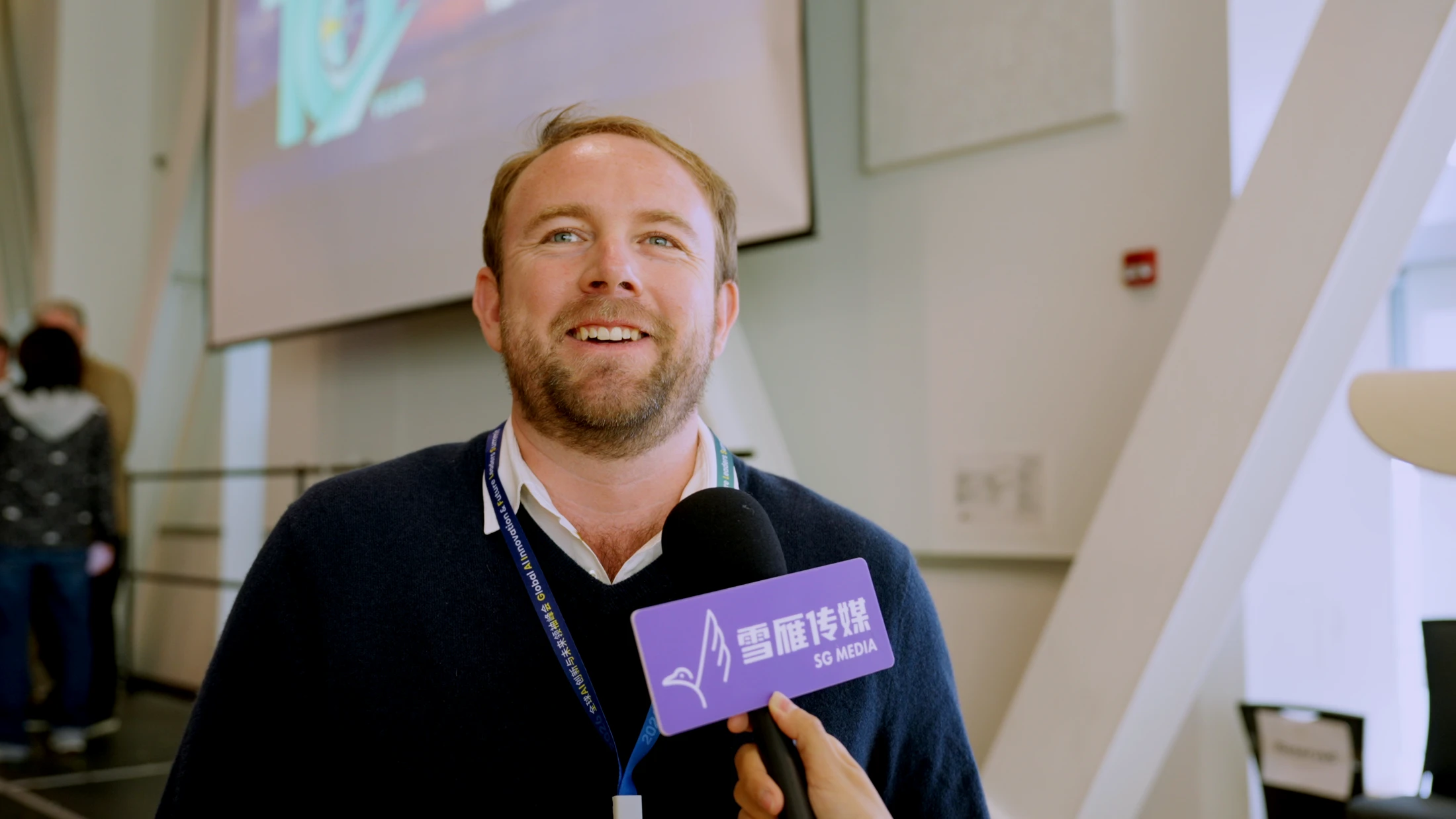
Dr. Henry Kilgore, UBC assistant professor in nanomedicine and chemical biology, examined how AI can help researchers understand what happens inside a cell. He holds a chemistry PhD from MIT and conducted postdoctoral research at the Whitehead Institute. His work has appeared in Science and Nature Chemical Biology.
His research uses AI to investigate the molecular “codes” that help determine where proteins go inside a cell, and how proteins might be designed to reach particular locations. Understanding these rules could help researchers study disease and potential treatments. AI’s role here includes generating hypotheses and guiding experiments, not simply summarizing what scientists already know.
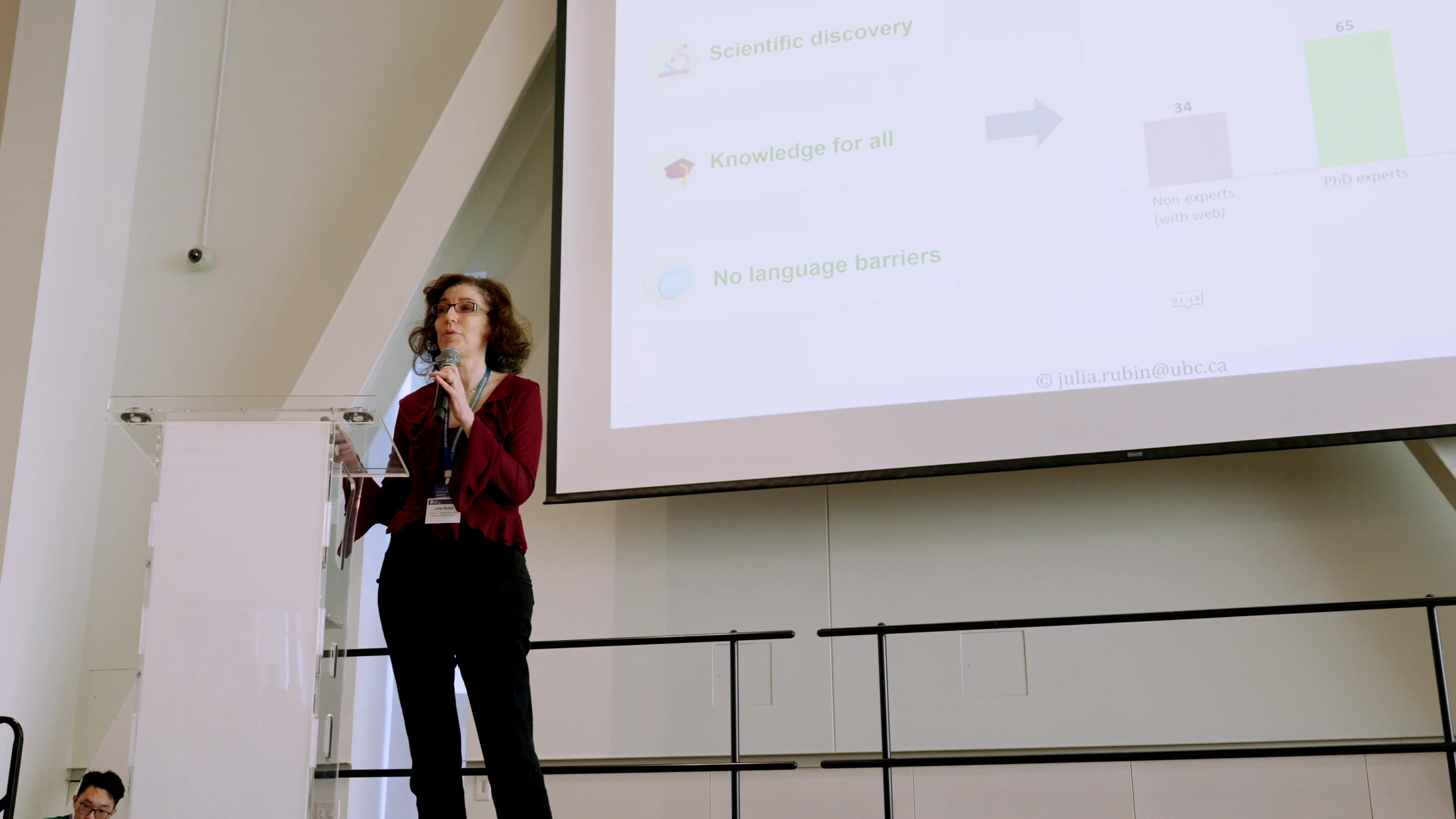
Julia Rubin: when AI has an answer, who has done the thinking?
In AI and Your Brain, Julia Rubin asked whether a fluent answer demonstrates the machine’s ability or the student’s understanding. Rubin leads UBC’s Trustworthy Machine Learning research cluster and previously worked at MIT and IBM Research. Her talk examined a challenge for educators: helping students think independently while using increasingly capable tools.
Andrew Donaher: if everyone has AI, what makes expertise valuable?
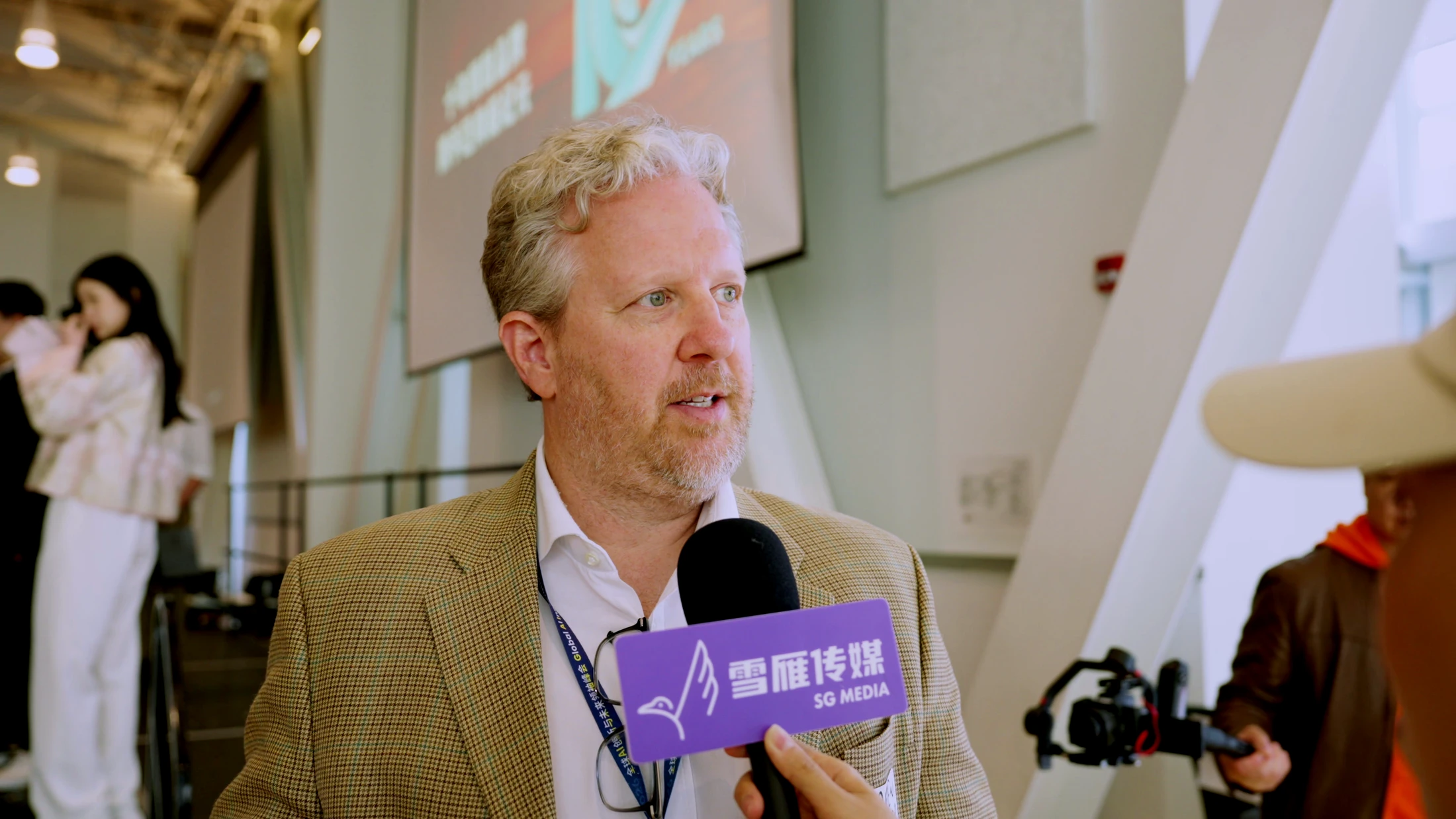
Andrew Donaher, a CGI vice-president who has led its Canadian AI business and served on its global AI leadership team, focused on a practical question: what makes expertise valuable when everyone has access to AI?
His answer centred on judgment. AI can make an expert more effective, but having the tool does not make someone an expert. People still need to frame the problem, evaluate the output and decide how to use it.
Drew Vodrey: better-looking work, or better learning?
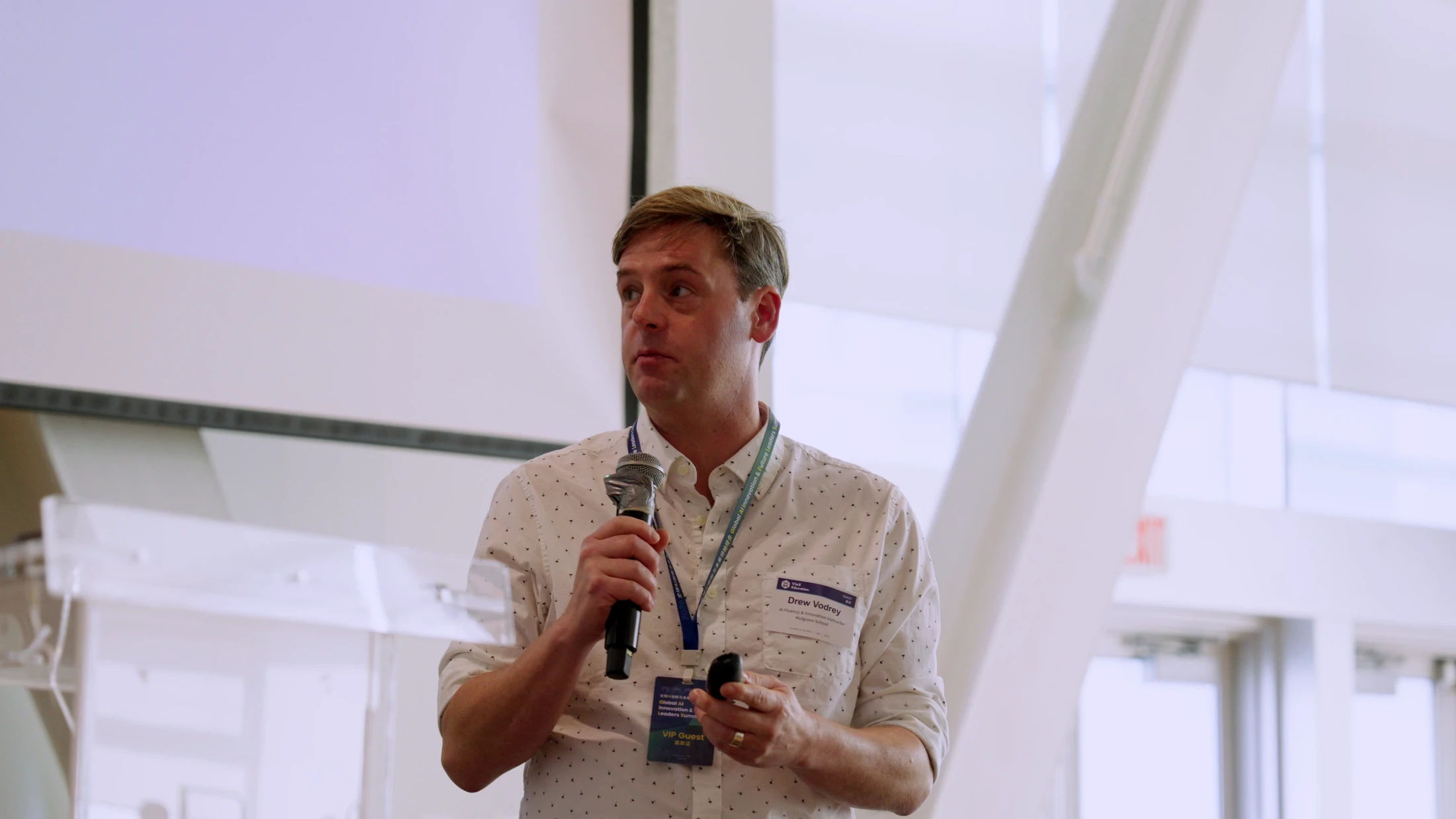
Dr. Drew Vodrey of Mulgrave School asked how teachers can tell whether AI has improved a piece of work or deepened a student’s understanding. With 27 years of Canadian teaching experience and recognition as a Toddle 2026 Distinguished AI Educator, he explored the possibilities of personalized learning. He also emphasized the teacher’s role in asking follow-up questions and checking what students understand.
Michael Unger: why “I don’t know” can be a beginning
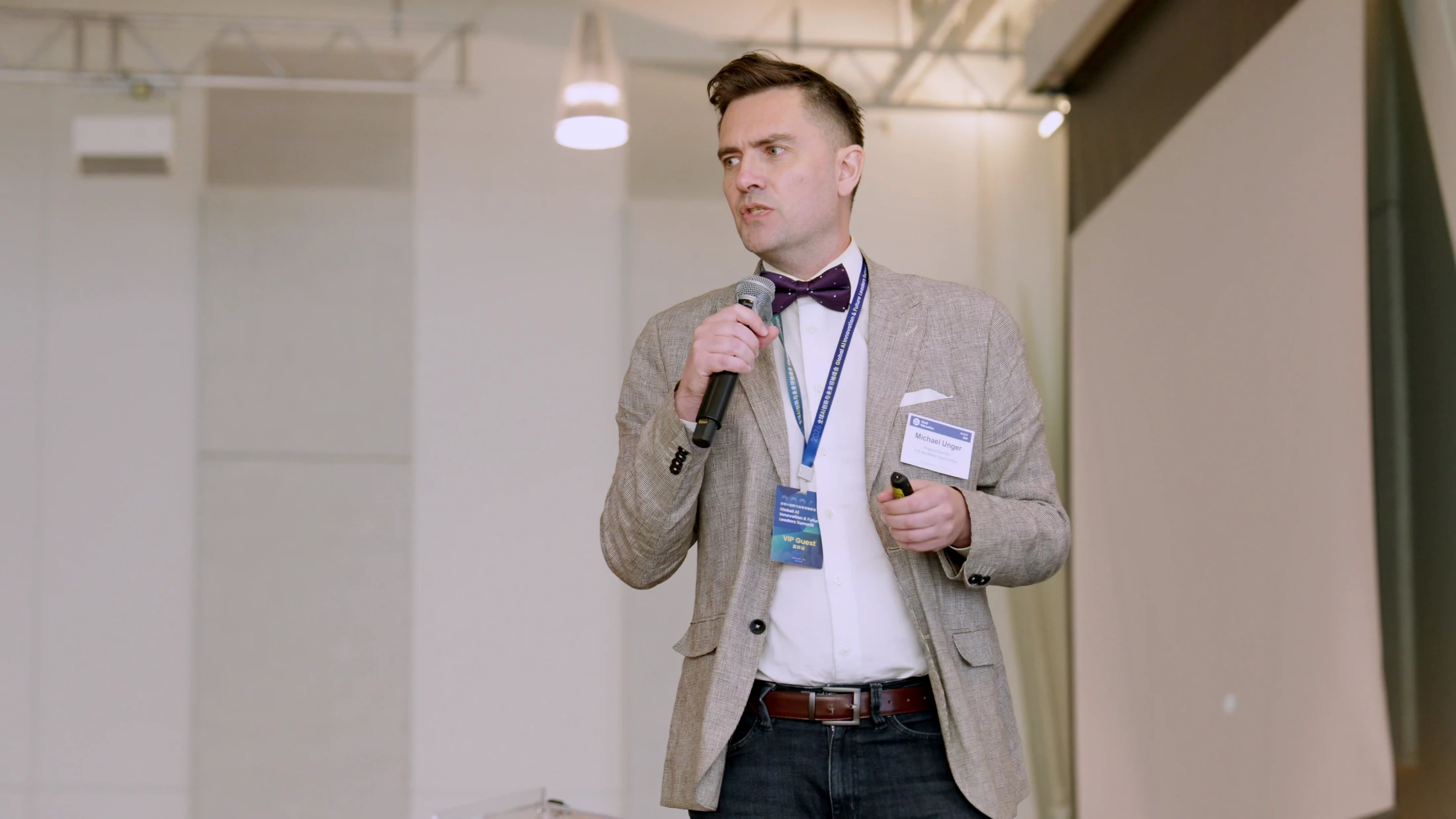
Michael Unger stepped off the stage to speak with the audience. As Director of Programming at the H.R. MacMillan Space Centre and Community Engagement Manager at Science Fair Foundation BC, he spends much of his working life helping people engage with science. His message was approachable: admitting “I don’t know” gives you somewhere to start. The next step is to ask how you could find out, or who could help you investigate.
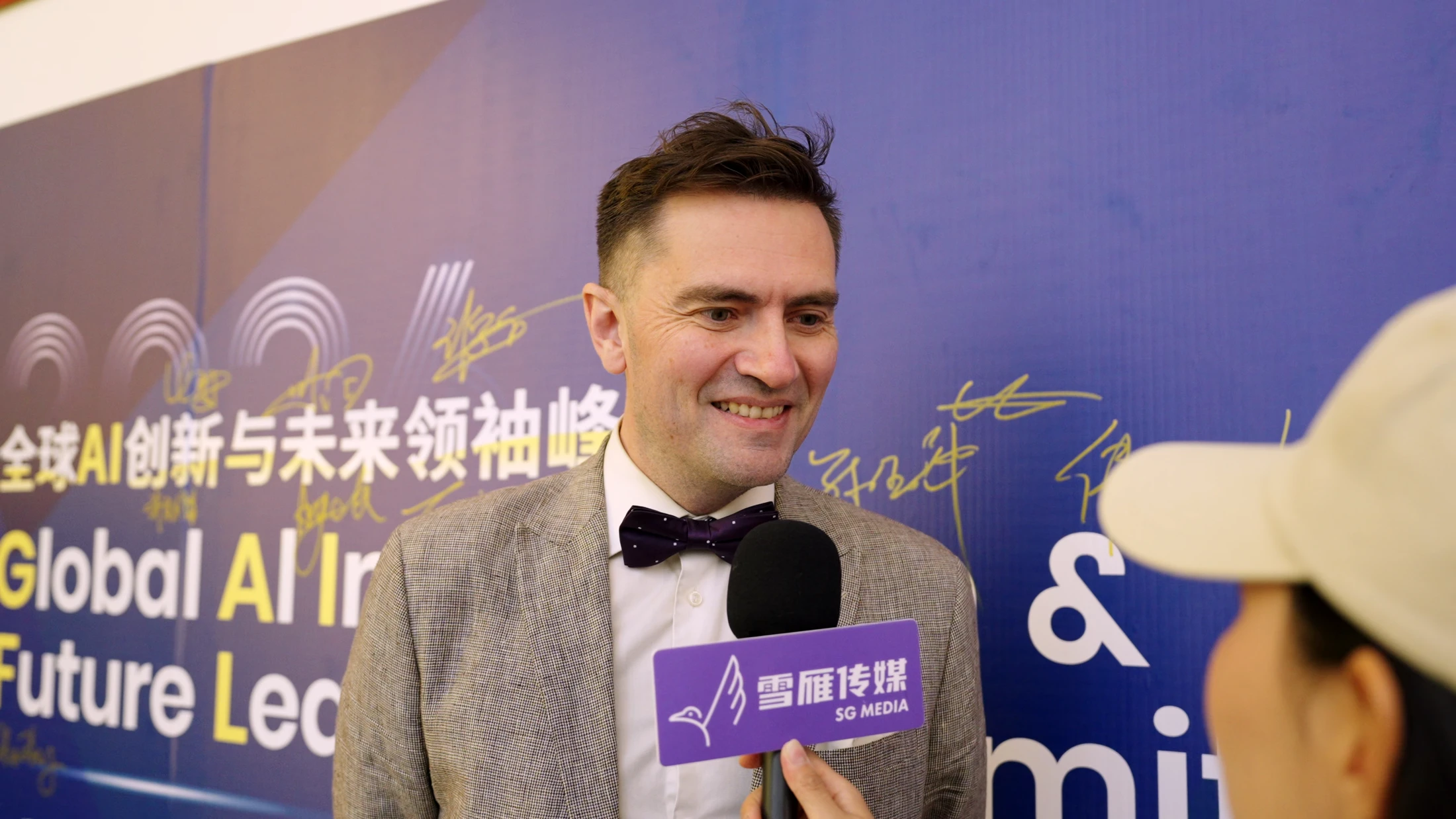
From Microsoft to physical AI: where might the next opportunity emerge?
The afternoon sessions turned to AI’s implications for business and the physical world. Jack Gao, former President of Microsoft China and Chairman and CEO of Whale TV, examined where the next wave of technological opportunity might emerge, drawing on a career across technology and media.
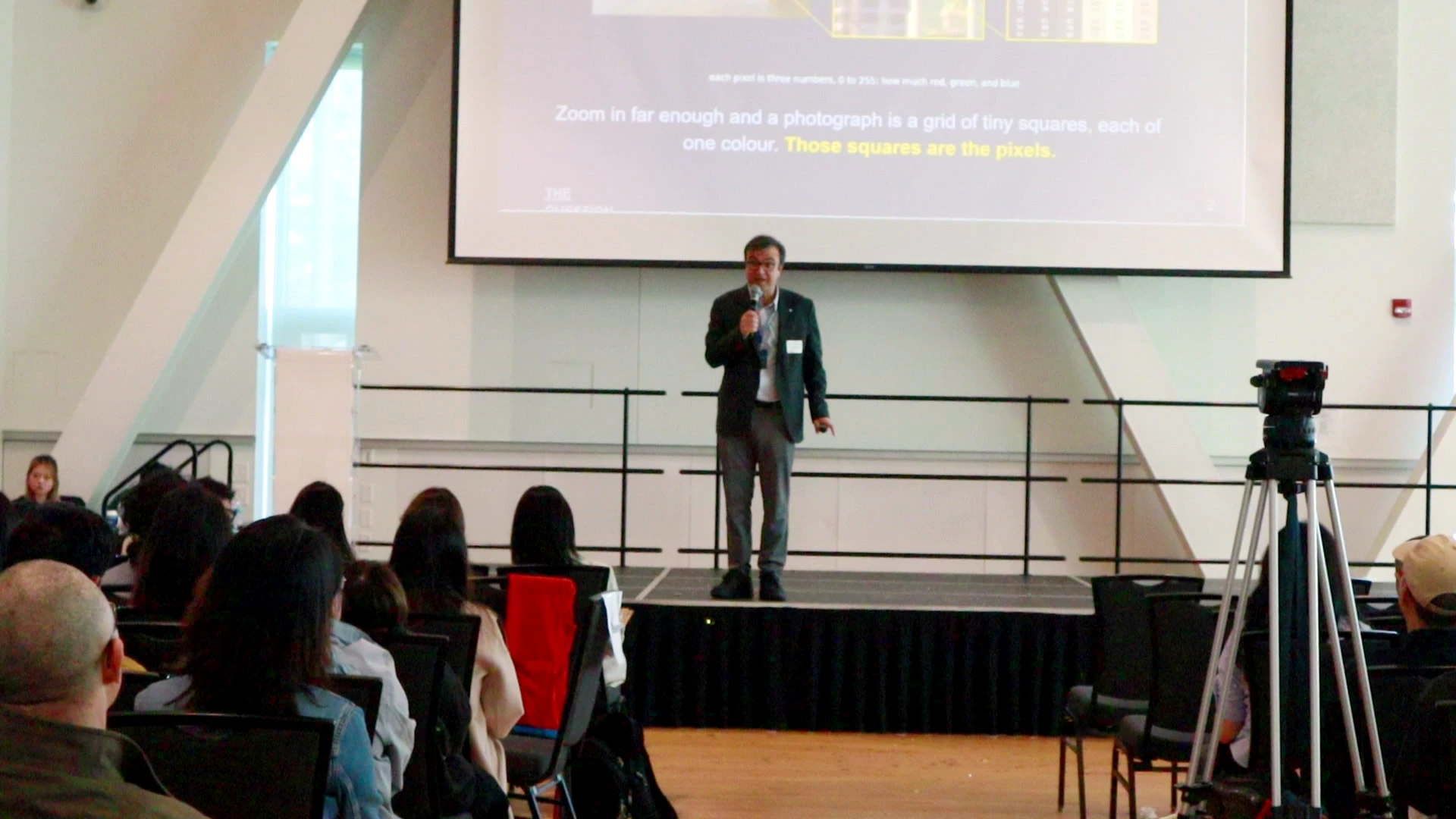
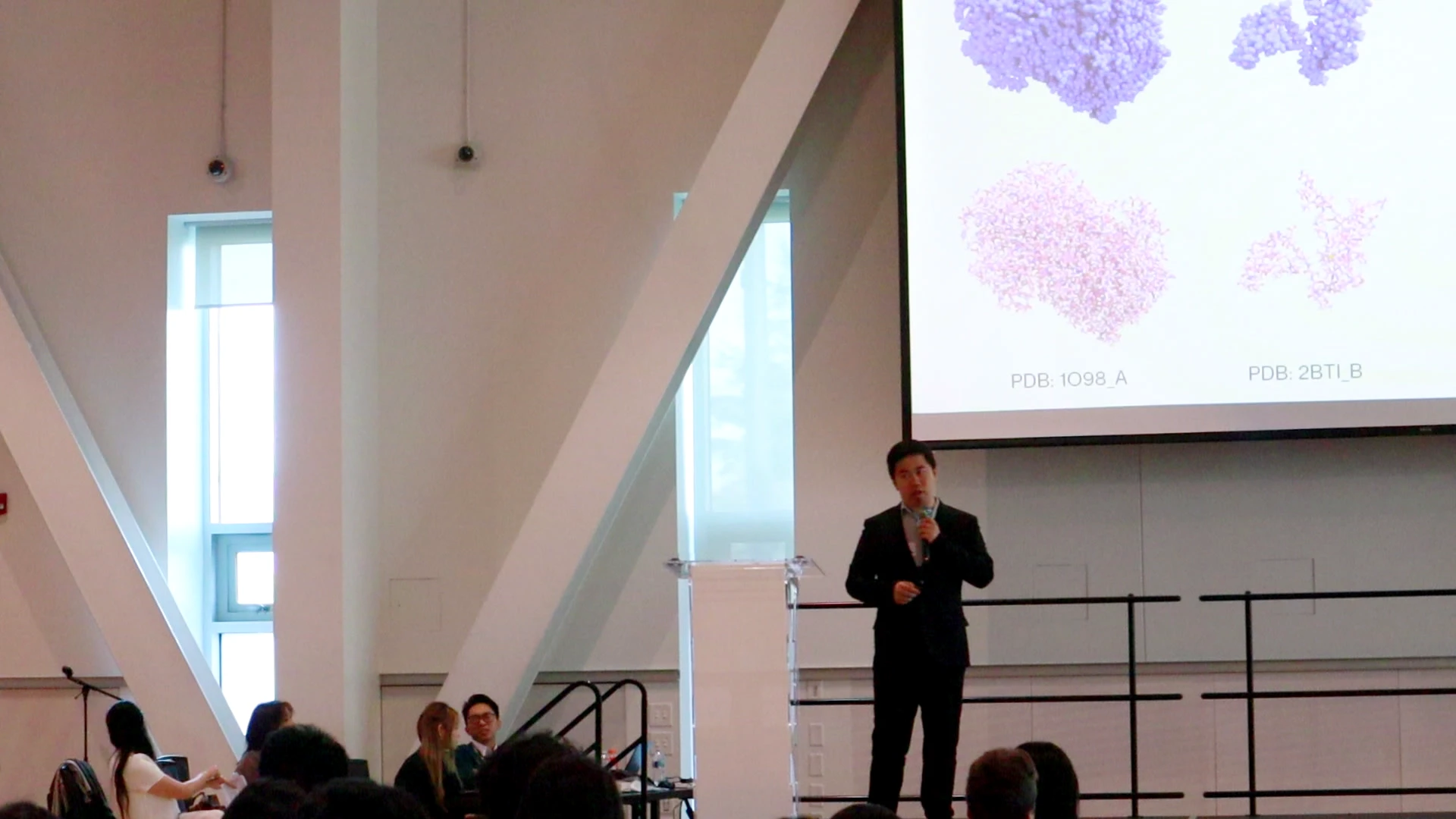
Özgür Yılmaz, UBC mathematics professor and Director of the Pacific Institute for the Mathematical Sciences, connected image compression with image generation. The Princeton-trained mathematician explained some of the mathematics behind AI’s visible capabilities. Peter Yichen Chen turned to physical AI: how can machines understand the world they must act in? His experience includes postdoctoral research at MIT and work on underwater facial modelling related to Avatar: The Way of Water.
Victor Gao (Gao Chao), former public relations director at Amazon China and Uber China and co-founder and managing director of iMpact, considered what distinguishes a person when AI tools are widely available. Jason Wang, CheersU co-founder and education committee chair at the American Chamber of Commerce in China, explored why schools respond so differently to the same technology.
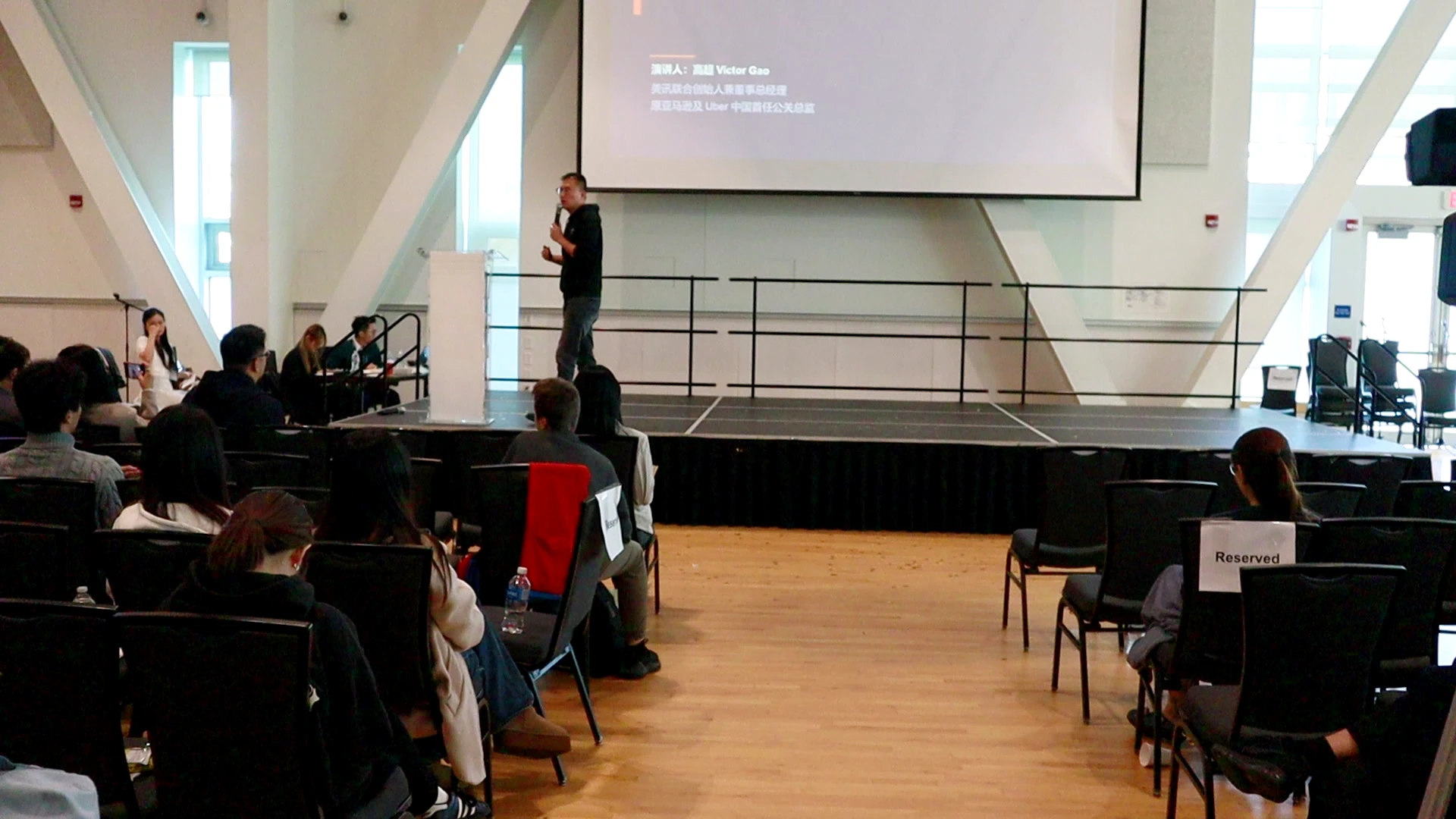
The industry roundtable examined opportunities AI could create over the next three years. Victor Gao was joined by Shasha Liu, a former CCTV-4 producer and presenter and a board member of S.U.C.C.E.S.S. Foundation; Todd Ye, President and General Manager of Fairchild Media Group; and Charlie Wang, a partner at Celtic House Asia Partners whose early investments include UniUni and Big Way Hot Pot.
05Future Impact Challenge 2027: an international stage for student research
Future Impact Challenge 2027, launched at the summit, gives students a way to develop a research project or AI-enabled solution and present it to an international audience.
The competition is free to enter for high school and university students worldwide. Students can participate individually or in cross-school teams of two to six. Prior coding experience is not required.
Over roughly three months, participants investigate a real-world problem, which may include a need identified by a nonprofit organization. They develop their project or prototype through testing and feedback, documenting what they tried and what they learned.
For the initial round, students submit a project report and a three- to five-minute video explaining their question, approach and findings.
The video can be a narrated slide presentation, a demonstration or a direct explanation. Students do not need professional editing or to appear on camera. Slides, prototypes and testing evidence can be included within the report or video; separate submissions are not required, and a physical or working prototype is not compulsory.
Shortlisted teams will present their work and answer questions about the project and each member’s contribution. The emphasis is on the quality of the research, the evidence and the students’ understanding, rather than production polish.
Canada’s top ten teams will present at the Canadian final in February 2027, with the top three advancing to the international grand final. The international final is planned for April 2027 at Carnegie Mellon University in the United States, with exact dates to be confirmed.
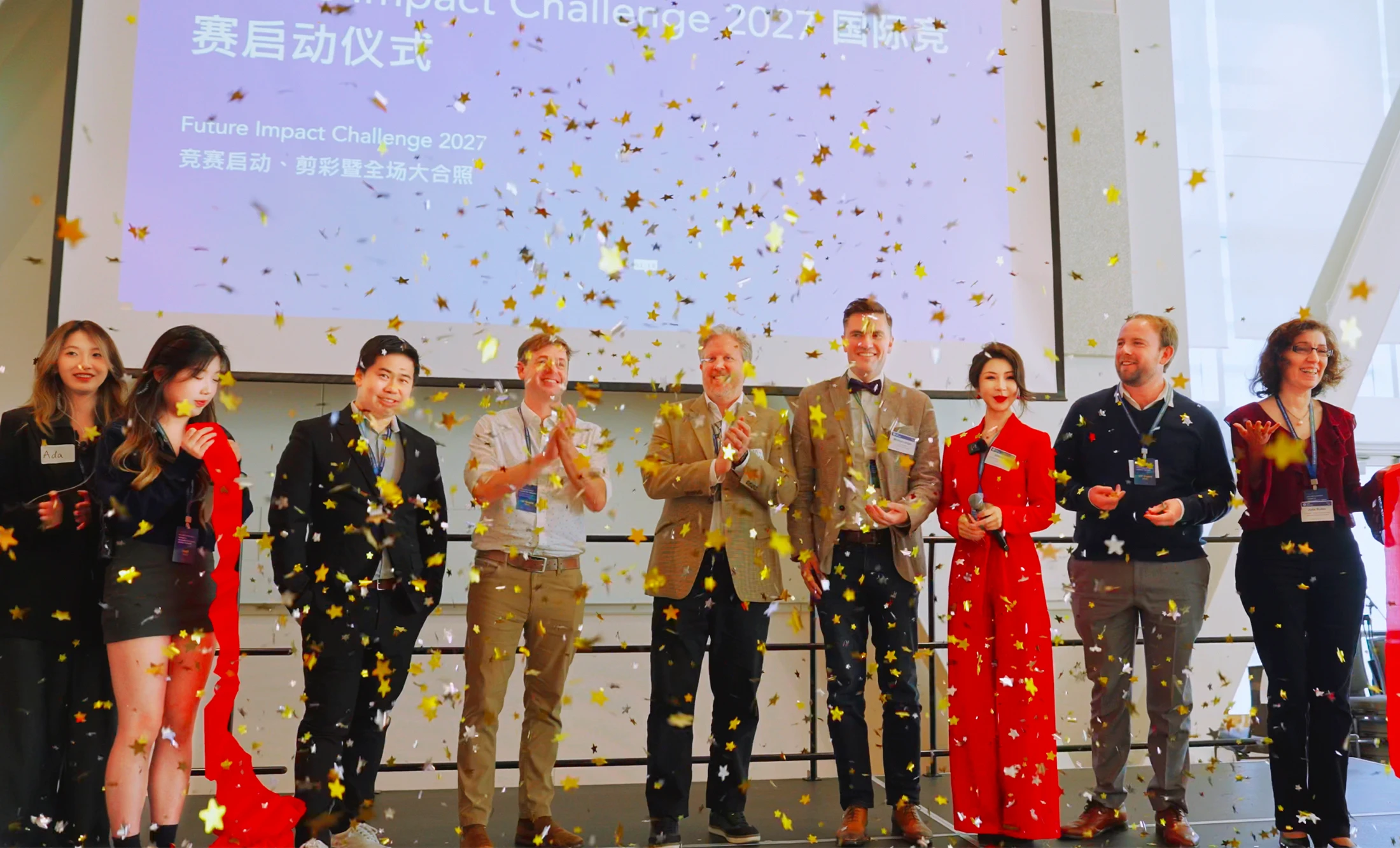
The competition’s pool of prospective judges and mentors includes scholars from Harvard, Stanford and Cambridge. Winners will receive research-program scholarships. Selected projects may be featured through competition and partner channels, with opportunities for interviews and consideration for media coverage.
Alina closed by asking educators to believe in young people before they fully believe in themselves, and to give that belief practical form. Sometimes that means a mentor who takes an unfamiliar question seriously. Sometimes it means a chance to test an idea, or encouragement to try again when the first attempt fails.
At UBC, students sat alongside people whose work is changing science, education and industry. Through the new community and Future Impact Challenge 2027, ViaX hopes to help them continue those conversations and begin work of their own.
Years from now, a student may remember this day as the first time a question they cared about was taken seriously. They may remember meeting someone who made a difficult path feel possible. And one day, they may offer that same encouragement to someone younger. That is what ViaX hopes will outlast the summit: the confidence to begin, and the support to keep going.
More summit highlights and images will be added as they become available.